Assessments
Assessments
We offer a range of specialist assessments, which include autism spectrum disorder, behavioural, cognitive, education, functional and NDIS assessments
Louisa Honan, Scenic Road Magazine
Autism Spectrum Disorder Assessments
Autism Spectrum Disorders (ASD) are lifelong developmental conditions that affect approximately 1 in 100 children.

Behavioural Assessments
Behavioural assessments examine whether a child's challenging behaviour falls outside the age-appropriate range.

Cognitive Assessments
Cognitive assessments or intelligence tests (IQ tests) are used to determine a child’s learning capability by identifying their cognitive strengths and weaknesses.
Educational Assessments
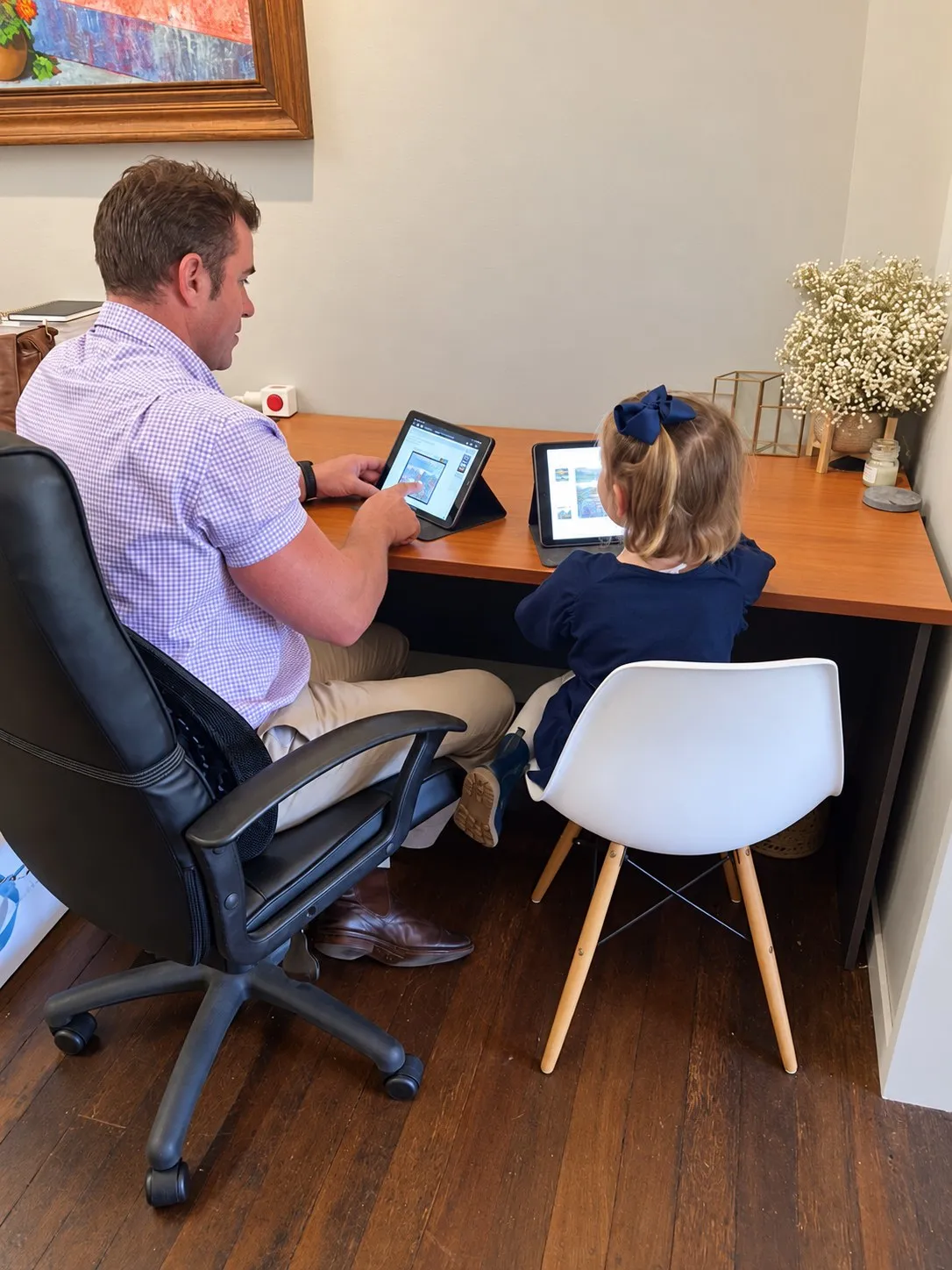
Educational assessments measure a child’s academic ability level in a range of areas including oral language, basic reading, reading comprehension and fluency, written expression, mathematics and maths fluency.
Functional Assessments
Independent assessments used to determine the functional level of an individual.

NDIS Assessments
Independent assessments used to determine the functional level of an individual with disability, which is then used to inform what level of NDIS funding that person receives.
Autism Spectrum Disorder Assessments
Autism Spectrum Disorders (ASD) are lifelong developmental conditions that affect approximately 1 in 100 children.
The common areas of difficulty for children with ASD include communication, socialisation, sensory activities, and restricted or repetitive behaviours, interests or activities. The severity and extent to which a child’s daily functioning is affected can range from mild to severe.
The current diagnosis of ASD as specified by the DSM-V includes what was previously known as Autistic Disorder, Asperger’s Disorder and Pervasive Developmental Disorder - Not Otherwise Specified.
What is it used for?
The assessment and diagnosis of Autism Spectrum Disorder can be beneficial in:
- Better understanding your child: A diagnosis can assist parents to learn more about their child’s unique profile of impairment. It can help them understand why their child may not be meeting developmental milestones or why they're exhibiting unusual behaviours, repetitive interests or social/communication difficulties.
- Developing tailored treatment plans: This can assist parents and teachers to introduce individualised management plans and learning support plans at home and school to meet a child’s specific needs and assist with their communication skills, social interactions and behaviours.
- Accessing additional assistance and funding: Once a child is formally diagnosed with ASD, parents can apply for access to government funding entitlements and community services (eg Medicare, Centrelink Carer’s Allowance, the ‘Helping Children with Autism’ Program or the NDIS). Additionally, diagnosis can assist with applying for school-based funding for special support teachers in the classroom.
What is the process?
Current research suggests that the earlier a child is accurately diagnosed with ASD and starts effective tailored support programs and interventions, the better the developmental outcomes for the child.
The diagnosis of ASD requires a comprehensive assessment process and involves gathering information from a range of sources. The aim is to gather insight into a child’s strengths and weaknesses – in particular around their social interactions, communication skills and demonstration of any atypical behaviours or interests.
This information can typically be obtained by administering standardised assessment tools, conducting a developmental history interview with parents, observing the child in their home and/or school environment, and/or conducting a teacher phone consult. While ASD is typically diagnosed in early childhood, the assessment process can be undertaken at any age. As a registered psychologist trained in assessing individuals with ASD we are qualified to make a diagnosis.
What tools do we use?
We currently use the gold-standard Autism Spectrum Rating Scales (ASRS™) which provides the first nationally standardised, norm-referenced ASD Rating Scale. This multi-informant measure helps identify symptoms, behaviors, and associated features of Autism Spectrum Disorders (ASDs) in children and adolescents aged 2 to 18 years.
Autism Diagnostic Interview-Revised (ADI-R) is a gold-standard, structured parent interview that assists in the reliable diagnosis of ASD.
Assessment tools can also include:
- Other parent rating scales
- Observation scales or school observations
- Reports from other professionals
Behavioural Assessments
Behavioural assessments examine whether a child's challenging behaviour falls outside the age-appropriate range. Concerns may include hyperactivity, impulsivity, aggression, difficulty sustaining attention, and disruptions to learning and peer relations.
What are they used for?
Behavioural assessments examine whether a child exhibits challenging behaviour that falls outside the age-appropriate range. Behavioural concerns may include hyperactivity, impulsivity, aggression, difficult sustaining attention, and disruptions to learning and peer relations.
Our behavioural assessments are useful in identifying and diagnosing behavioural disorders in the three main behavioural disorder areas:
Attention Deficit Hyperactivity Disorder: Children with ADHD can exhibit some or all of the following behaviours organised under three broad categories:
- Inattention: Making careless errors, having difficulty concentrating, experiencing challenges in organising tasks, losing things, getting easily distracted.
- Hyperactivity and Impulsivity: Often fidgeting or restless, talking to excess, being noisy and loud, blurting out answers, being impatient in turn-taking, interrupting others.
- Combined: This is the most common type of ADHD. Children fit the criteria for this type if they have symptoms of both inattentive and hyperactive-impulsive types.
- Oppositional Defiance Disorder: Children living with ODD exhibit challenging behaviour, particularly towards adults and those in authority. Such behaviour may include becoming easily annoyed, having frequent angry outbursts, being argumentative with adults, refusing to follow rules and having a low tolerance for frustration.
- Conduct Disorder: Children who exhibit signs of a conduct disorder may frequently bully, use threatening behaviour, physically hurt others, be cruel to animals or steal from others.
Our behavioural assessments are also useful to:
- Develop individualised treatment plans: We can provide individualised recommendations to assist parents and teachers to manage a child’s challenging behaviour at home and in the school setting.
- Evaluate the effectiveness of an intervention: Behavioural assessments can be re-administered over time to assess the effectiveness of a treatment program in improving the severity and impact of a child’s challenging behaviour.
- Process of differential diagnosis: Behavioural assessments can also be administered in conjunction with cognitive assessments to determine if challenging behaviours can be explained by the presence of an intellectual disability, learning disorder or giftedness.
Assessment Process
Behavioural assessments involve a detailed process. To help formulate an accurate diagnosis, they typically require parent interviews to obtain a developmental history, diagnostic questionnaires, teacher interviews and/or school observations and a clinical session with diagnostic testing with the child. With this knowledge, children and parents can start to better understand the underlying causes of challenging behaviour and formulate treatment plans to modify the behaviour itself and its impact on everyday life.
Assessment Tools
We commonly use the following behavioural assessment tools for a variety of purposes and age groups:
Connors Rating Scale (CRS) - Third Edition for children aged 6 to 18 years.
Adaptive Behaviour Assessment System - Second Edition (ABAS-3 ) provides an assessment of adaptive skills functioning for individuals from birth to 89 years.
The Vineland Adaptive Behaviour Scales- Third Edition (Vineland-3) is an assessment tool used in assessments for people aged 0 to 90 years on social and independent living skills.
Cognitive Assessments
Cognitive assessments or intelligence tests (IQ tests) are used to determine a child’s learning capability by identifying their cognitive strengths and weaknesses. When interpreted in combination with comprehensive background information and parent and teacher interviews, the results of cognitive tests can assist with the development of individualised intervention and learning plans for children.
Read more
Cognitive assessments with children assist in the examination of:
- Intellectual giftedness: A cognitive assessment will help to determine whether a child can access gifted and talented programs or special classes, including admission to selective schools, acceleration or opportunity classes, and GERRIC (UNSW). It can also guide teachers in the provision of extension activities in the classroom setting.
- Learning difficulties or disabilities: A cognitive assessment in conjunction with an educational assessment can assist in identifying the presence of a learning difficulty or disorder and help teachers make appropriate accommodations for students in the classroom. This information can be used to manage and minimise negative experiences at schools such as poor academic results, school avoidance and low self-esteem.
- Intellectual difficulties or disabilities: An assessment will assist in identifying children with an intellectual disability, which is characterised by an IQ test score at least 2 standard deviations below the mean (this often equates to an IQ score of 70). Following an assessment, children and parents will have a better understanding of how an intellectual disability impacts the child's ability to learn. It will also provide information to develop effective plans or accommodations in the classroom that are tailored to meet a child’s specific needs. Results can also assist in making applications to access government or school disability funding, special needs teachers or special provisions (eg scribe) in formal school examinations.
Assessment Tools
There are various cognitive assessment tools that are used for various purposes and age groups.
We commonly use the following cognitive assessment tools:
- Wechsler Intelligence Scales for Children - Fifth Edition ( WISC-V , Australian Standard) for children aged 6 to 16 years
- Wechsler Individual Achievement Test- Second Edition (WIAT-III, Australian Standard) for children who are aged 4 to 19 years, 11 months.
Educational Assessments
Educational assessments measure a child’s academic ability level in a range of areas including oral language, basic reading, reading comprehension and fluency, written expression, mathematics and maths fluency.
Educational Assessments are used to identify areas of academic strength and weakness. Results acquired through the assessment process provide an indicator of a child’s skill in a particular academic area compared to a normative age- or grade-matched sample.
What are they used for?
Educational assessment tools are useful in the following areas:
- Identifying the level of academic skill in a particular area: Assessments can assist parents, teachers and children to better understand how their academic performance in the classroom setting affects their learning. The results can also help guide a teacher’s decision to provide extension activities or acceleration in particular subjects.
- Diagnosing specific learning disorders such as a reading or writing disability: Assessments can provide evidence for special provisions such as a scribe in formal school examination settings. It can also help identify which learning skills can be developed based on the individual's abilities and strengths while providing strategies to compensate for areas of difficulty.
- Assisting teachers and school counsellors to provide Individualised Education Plans (IEPs): Assessments can help teachers meet children’s specific learning needs during curriculum planning, special educational placements or clinical appraisals for children.
What is the Process?
Educational assessments with children require the administration of standardised psychometric tools by experienced and accredited psychologists. These tools can assess various areas of academic skill, including:
- Reading: the ability to identify letters and sounds, reading comprehension and phonemic awareness
- Mathematics: the ability to answer arithmetic equations, solve mathematical problems and complete maths equations in a given time period
- Writing: the ability to spell and use written expression including sentence structure and idea formation
- Oral language: the ability to listen for details, reflect meaning and express oneself.
Assessment Tools
We commonly use the following educational assessment tool for a variety of purposes and age groups:
- Wechsler Individual Achievement Test - Second Edition (WIAT-III, Australian Standard) for children who are aged 4 to 19 years, 11 months.
- This is commonly conducted in conjunction with the WISC-V for a comprehensive academic and cognitive assessment.
Functional Assessments
Independent assessments used to determine the functional level of an individual.
NDIS Assessments
Independent assessments used to determine the functional level of an individual with disability, which is then used to inform what level of NDIS funding that person receives. Under the current system, people demonstrate this by gathering evidence from their own specialists.
What is it used for?
NDIS Assessments are used to collect essential information that can help with the planning of support plan provided by the NDIS. Since undergoing an assessment would be costly, all eligible NDIS participants, existing and new, will be allowed to use evidence-based, reliable, and updated assessments, regardless of their financial condition.
NDIS Assessments gather essential information and provide evidence for eligibility of the applicants for the NDIS Scheme. The key information collected during the assessments will serve as the participant’s proof for their disability that is vital in creating the NDIS support plan and funding.
NDIS Assessments are beneficial to collect updated information regarding the participant’s condition to be able to create a flexible plan to help them achieve their goals. Through NDIS Assessments, the participant's current and changing condition will be viewed by the therapists such as how they manage daily activities and partake in the school, workplace, or community.
NDIS Assessments will concentrate on assessing the participant’s capability instead of their disability. The assessments tools are used to assure that the support provided to the participants is suitable for their condition, goals, and needs.
Assessment Process
Although NDIS is catered to helping thousands of Australians with a disability, the support plan provided by the NDIS is provided to eligible participants. Through NDIS Assessments, participants ages 7 years and older are recommended to undergo independent assessments to start with the process and make sure that the support plan is in line with the participant's condition, goals, and needs. Once the planning process is administered, the NDIS Assessment can help in determining significant changes in the participant’s condition.
Through the help of Our Space Psychology professionals, the participants and their families will be educated and trained to understand the process of NDIS Assessments. Additionally, NDIS will support in planning and reviewing the support plan.
Assessment Tools
To assure that the support plan is in line with the participant's condition, goals, and needs, NDIS offers assessment tools that are internationally acknowledged to help the healthcare professionals determine the condition of the participants and create a suitable support plan. Each assessment tool is designed based on the participant's age, instead of their condition.
Vineland 3
The primary tool used to evaluate adaptive behaviour is Vineland 3. It is a tool that can help with the diagnosis of developmental and intellectual disabilities. It also provides essential information to develop educational and treatment plans. When administering Vineland 3, it can measure the participant’s social and personal skills that are essential for daily living, such as Communication, Daily Living Skills, Socialisation, and Motor Skills. This assessment is best suited for ages 9 years and below.
Wechsler Adult Intelligence Scale-IV (WAIS-IV)
One of the most advance and generally used tests administered to adults to assess cognitive ability is WAIS-IV, or now known as TOPF. This assessment tool can determine cognitive functioning of adults before the onset of injury or illness.
World Health Organisation Disability Assessment Schedule (WHODAS) 2.0
Directly related to the International Classification of Functioning, Disability, and Health (ICF), WHODAS 2.0 is a standardised assessment tool designed to assess cognition, mobility, self-care capabilities, socialisation, performance, and participation in household and work of the client. The assessment tool is internationally acknowledged and applicable to varying disabilities and cultures for adult participants.